Empowering communities through the sustainable transformation of used cooking oil waste into aromatherapy candles: A holistic approach to waste management
DOI:
https://doi.org/10.22219/jcse.v6i1.34459Keywords:
Used cooking oil, Aromatherapy candles, Waste management, Recycling cooking oilAbstract
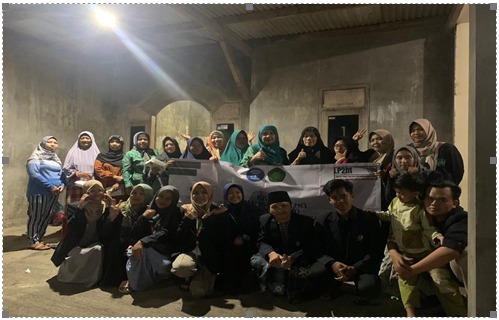
Used cooking oil from household frying is often discarded improperly, leading to environmental pollution. One sustainable solution is repurposing it into aromatherapy candles, reducing waste while creating economic opportunities. To address this issue, KKM 210 UIN Malang conducted a community service initiative titled "Optimizing the Transformation of Used Cooking Oil Waste into Aromatherapy Candles: A Sustainable Waste Management Approach" in Petungsewu Village, in collaboration with PKK members. This program aimed to raise awareness of the dangers of reusing used cooking oil, reduce improper disposal, and introduce innovative business ideas. The socialization included brochure distribution, material presentations, hands-on training, interactive Q&A sessions, and entrepreneurship guidance. A pre- and post-assessment was conducted to measure knowledge retention and skill acquisition. Results showed a significant increase in participant understanding, with knowledge of candle-making rising by 65% and 85% of participants gaining confidence in independent production. Additionally, 75% of participants expressed interest in developing a home-based business, demonstrating the initiative’s potential for local economic development. These findings highlight the importance of transforming used cooking oil into value-added products as both an eco-friendly waste management solution and a means of empowering local communities. The initiative serves as a model for sustainable development, showcasing how practical innovations can address both environmental and economic challenges. Future programs should focus on expanding training, facilitating market access, and supporting small business growth to ensure long-term impact and scalability.
Downloads
References
Aini, D. N., Arisanti, D. W., Fitri, H. M., & Safitri, L. R. (2020). Pemanfaatan minyak jelantah untuk bahan baku produk lilin ramah lingkungan dan menambah penghasilan rumah tangga di Kota Batu. Warta Pengabdian, 14(4), 253. https://doi.org/10.19184/wrtp.v14i4.18539
Amrin, S., Parera, H. R., Ota, M. K., Nande, M., Hubertus, S., Ma, G., Saprianus, Y., Ngapa, D., Banda, Y. M., Tola, D., Maria, A., Djou, G., & Nino, O. (2024). assistance in manufacturing soap from citrai as an economic solution for the use of household ingredients in Watumanu Bajawa Village. 5(2), 77–84.
Anugrah, D. S. B., Wijanarko, A. M., & Sinanu, J. D. (2023). Pemberdayaan pedagang kantin di Universitas Katolik Indonesia Atma Jaya, Kampus BSD, Melalui Edukasi pengolahan minyak jelantah menjadi lilin aromaterapi. I-Com: Indonesian Community Journal, 3(3), 1279–1285. https://doi.org/10.33379/icom.v3i3.3116
Arifin, R., Widarko, A., Bastomi, M., Pangestuti, A. P., Puspitasari, D., & Alfandi, M. N. (2024). Strengthening the creative economy of the community through the utilization of used cooking oil waste into aromatherapy candles. AKM: Aksi Kepada Masyarakat, 5(1), 215–224. https://doi.org/10.36908/AKM.V5I1.1156
Ayu, G., Jyoti, P., Utami, P., Tjandrawibawa, P., & Ciputra, U. (2020). Peran Aroma terapi melalui media lilin sebagai sarana untuk mengurangi stres pada generasi melenial. In Seminar Nasional Envisi 2020 : Industri Kreatif (pp. 188–195).
Bachtiar, M., Irbah, I., Islamiah, D. F., Hafidz, F. R., Hairunnisa, M., Viratama, M. A., & Chelsabiela, S. (2022). Pemanfaatan minyak jelantah untuk pembuatan lilin aromaterapi sebagai ide bisnis di Kelurahan Kedung Badak. Jurnal Pusat Inovasi Masyarakat (PIM), 4(2), 82–89. https://doi.org/10.29244/jpim.4.2.82-89
Beghetto, V. (2025). Waste cooking oils into high-value products: Where Is the industry going? Polymers 2025, Vol. 17, Page 887, 17(7), 887. https://doi.org/10.3390/POLYM17070887
Damayanti, F., Supriyatin, T., & Supriyatin, T. (2020). Pemanfaatan limbah minyak jelantah sebagai upaya peningkatan kepedulian masyarakat terhadap lingkungan. Dinamisia : Jurnal Pengabdian Kepada Masyarakat, 5(1). https://doi.org/10.31849/dinamisia.v5i1.4434
Endang Yani, T., Wibisono, T., Roestanto, A., Semarang, U., Studi Manajemen, P., & Ekonomi, F. (2025). Pemanfaatan limbah minyak jelantah menjadi produk yang bernilai ekonomis di Kota Semarang. Jurnal Abdimas Bina Bangsa, 6(1), 665–672. https://doi.org/10.46306/JABB.V6I1.1721
Fatimah, D. D. S., Wijaya, M. R., Raniyanti, U., Rabbani, M. R., Yudistira, R., Fhayed, N. H. Al, Dwiyanti, K. N., Nazrulloh, I., Aditia, A., Zulkarnaen, E., Firmansyah, M. R., Anggana, M., Madani, A. I., Abdusyukur, M., Nuraisah, N., Melinda, S., Sriayuwahyuni, P., Parlina, R., Zaky, A. S., … Malik, J. (2023). Sosialisasi pemanfaatan minyak jelantah pada masyarakat Desa Mulyasari Bayongbong. Jurnal PkM MIFTEK, 4(2), 100–106. https://doi.org/10.33364/miftek/v.4-2.1467
Foundation, M. H. (2018). Stress: Are we coping? In Book. Mental Health Foundation.
Ginting, D., Shabri Putra Wirman, Yulia Fitri, Neneng Fitrya, Sri Fitria Retnawaty, & Noni Febriani. (2020). PKM pembuatan sabun batang dari limbah minyak jelantah bagi IRT Kelurahan Muara Fajar Kota Pekanbaru. Jurnal Pengabdian UntukMu NegeRI, 4(1), 74–77. https://doi.org/10.37859/jpumri.v4i1.1857
Hakim, R., Wrasiati, L. P., & Arnata, I. W. (2021). Karakteristik minyak jelantah hasil dari proses pemurnian dengan ampas tebu pada berbagai variasi suhu dan waktu pengadukan. Jurnal Rekayasa Dan Manajemen Agroindustri, 9(4), 427. https://doi.org/10.24843/jrma.2021.v09.i04.p01
Hanjarvelianti, S., & Kurniasih, D. (2020). Pemanfaatan minyak jelantah dan sosialisasi pembuatan sabun dari minyak jelantah pada masyarakat Desa Sungai Limau Kecamatan Sungai Kunyit-Mempawah. Jurnal Buletin Al-Ribaath, 15(2), 26. https://doi.org/10.29406/br.v17i1.1878
Hariono, T., Munawaroh, M., Yaqin, N., Hidayah, N., Aisa, A., & Sulaikho, S. (2022). Mengurangi limbah minyak tanah melalui pembuatan sabun cuci dari jelantah. Jumat Ekonomi: Jurnal Pengabdian Masyarakat, 3(2), 93–97. https://doi.org/10.32764/abdimas_ekon.v3i2.2472
Hilabi, A. R., Sholihuddin Zen, A., Kurniasari, A., Husna, S., Dwi Hariyani, S., Nova Rizke Putri, A., Chaerani, A., Lutfiyah, F., Hudaifah, I., Kunci, K., Kupang, K., Aromaterapi, L., & Jelantah, M. (2024). Improving human resources and environmental preservation through training in making aromatherapy candles from used cooking oil in Kupang Sub-District. Partisipan, 1(1), 16–22. https://journal.innoscientia.org/index.php/partisipan/article/view/108
Inayati, N. I., & Dhanti, K. R. (2021). Pemanfaatan Minyak jelantah sebagai bahan dasar pembuatan lilin aromaterapi sebagai alternatif tambahan penghasilan pada anggota Aisyiyah Desa Kebanggan Kec Sumbang. Budimas : Jurnal Pengabdian Masyarakat, 3(1), 160–166. https://doi.org/10.29040/budimas.v3i1.2217
Islam, R. (2024). Digital brochure for social media marketing : creating a digital brochure for Mixmart. http://www.theseus.fi/handle/10024/868333
Jamilatun, S., Luthfiani, I. N., Putri, D. P., Pitoyo, J., & Rahayu, A. (2022). The effect of variations of stearin mass and used cooking oil from purification with activated carbon on the quality of the candle. Agroindustrial Technology Journal, 6(1), 35. https://doi.org/10.21111/atj.v6i1.7234
Kenarni, N. R. (2023). Pemanfaatan minyak jelantah dalam pembuatan lilin aromaterapi. Jurnal Bina Desa, 4(3), 343–349. https://doi.org/10.15294/jbd.v4i3.39225
Khuzaimah, S. (2020). Pemanfaatan minyak jelantah dan ekstrak kulit citrus reticulata sebagai bahan pembuatan sabun. E-Journal Universitas Nahdlatul Ulama Al Ghazali, 2(17), 1–21.
Kumar, A., Bhayana, S., Singh, P. K., Tripathi, A. D., Paul, V., Balodi, V., & Agarwal, A. (2025). Valorization of used cooking oil: challenges, current developments, life cycle assessment and future prospects. Discover Sustainability 2025 6:1, 6(1), 1–31. https://doi.org/10.1007/S43621-025-00905-7
Mahmudah, R., & Shofiah, N. (2023). From waste to wealth: A novel approach for empowering society through recycling used cooking oil into soap. Journal of Community Service and Empowerment, 4(2), 343–350. https://doi.org/10.22219/jcse.v4i2.25816
Maulida, N. U., & Makmuroh, U. (2023). House warac (household waste oil for relaxing aromatherapy candle). Jurnal Wawasan Pendidikan, 3(2), 504–509. https://doi.org/10.26877/WP.V3I2.16347
Mulia, Y. E. (2018). Pemanfaatan minyak goreng bekas (minyak jelantah) menjadi sabun cair cuci piring. In Sekolah Tinggi Teknologi Industri (STTIND) Padang.
Murti, F. T., Fitrianti, S., Tejawati, A. D. A., Muminin, H., Lutfiani, V. N., & Rahman, T. (2025). Utilization of used cooking oil into aromatherapycandles and liquid soap in the pringsurat hamlet community, Gunungkidul. ACCEPT: Annual Conference on Community Engagement for Peaceful Transformation, 4(1), 270–275. https://conference.uin-suka.ac.id/index.php/accept/article/view/1726
Nirwana, T. P., & Ernawati, E. (2023). Pelatihan Pembuatan Lilin Dalam Pemanfaatan Limbah Minyak Jelantah. Sahid Da’watii Dedicate, 1(02), 23–28. https://doi.org/10.56406/sahiddawatiidedicate.v1i02.469
Permadi, A., Setyawan, M., Rahmawati, N., & Sembiring, N. S. (2022). Pelatihan Pembuatan Lilin Aromaterapi Berbasis Minyak Jelantah di Dusun Sidomoyo Kragilan Godean Sleman D.I. Yogyakarta. Seminar Nasional Penelitian Dan Pengabdian Kepada Masyarakat, 4(1), 182–189.
Putra, F. G., Puspita Sari, A., Qurotunnisa, A., Rukmana, A., Darmayanti, R., & Raden Intan Lampung, U. (2023). What are the advantages of using leftover cooking oil waste as an aromatherapy candle to prevent pollution? Jurnal Inovasi Dan Pengembangan Hasil Pengabdian Masyarakat, 1(2), 59–63. https://doi.org/10.61650/JIP-DIMAS.V1I2.230
Rahayu, R. A. P. (2021). Effect of collaborative writing combined with blog online learning on indonesian efl learners’ writing skill across motivation. SALEE: Study of Applied Linguistics and English Education, 2(1), 87–98. https://doi.org/10.35961/salee.v2i01.219
Ridlwan, H. M., Adifani, A., & Mufida, V. (2023). Application of an automated system for converting waste cooking oil into aromatherapy candles. Recent in Engineering Science and Technology, 1(03), 13–25. https://doi.org/10.59511/RIESTECH.V1I03.20
Setyaningsih, M., Astuti, Y., Broto, A. H., Palupi, D. P., Arsy, I., Putri Octavianingrum, & Yeni Elmi. (2018). Pemanfaatan pupuk cair organik limbah sayur dan buah dari pasar tradisional kramat jati sebagai alternatif nutrisi pada perangkat hidroponik. Fakultas Keguruan dan Ilmu Pendidikan Universitas Muhammadiyah Prof. Dr. Hamka.
United Nations. Sustainable development. Department of Economi and Social Affairs. https://sdgs.un.org/goals
Vinet, L., & Zhedanov, A. (2011). A “missing” family of classical orthogonal polynomials. Journal of Physics A: Mathematical and Theoretical, 44(8), 17–21. https://doi.org/10.1088/1751-8113/44/8/085201
Wal Ikram, M., Rengko, S. H., & Author, C. (2025). Socialization and practice of utilizing used cooking oil into candles. Macca: Journal of Linguistic Applied Research , 2(1), 264–271. https://journal.adityarifqisam.org/index.php/macca/article/view/110
Wardani, D. T. K., Saptutyningsih, E., & Fitri, S. A. (2021). Ekonomi Kreatif: Pemanfaatan limbah jelantah untuk pembuatan lilin aromaterapi. Prosiding Seminar Nasional Program Pengabdian Masyarakat. https://doi.org/10.18196/ppm.32.224
Downloads
Published
How to Cite
Issue
Section
License
Copyright (c) 2025 Shofiah et al

This work is licensed under a Creative Commons Attribution-ShareAlike 4.0 International License.